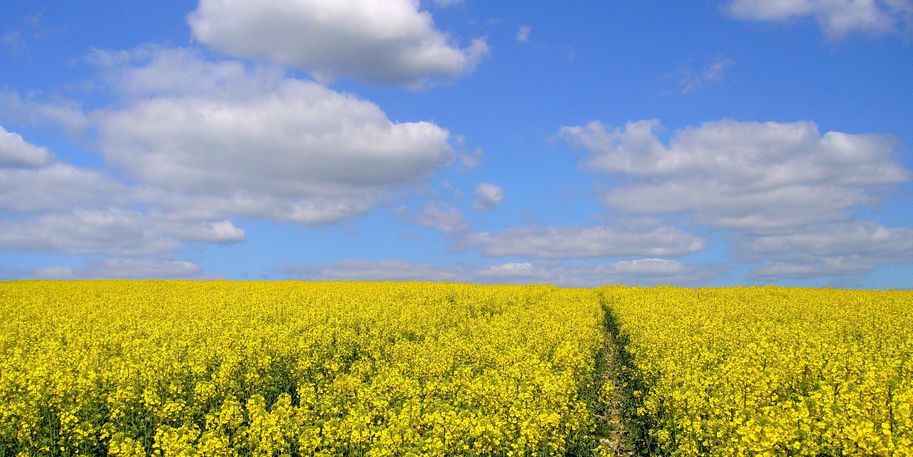
How can the true environmental impact of crops grown for the bioeconomy be reliably assessed? This is precisely the question addressed by the new Horizon Europe project "SUSTAINCrop". It supports farmers, companies and policymakers in making well-informed decisions about the cultivation of crops used in bio-based industries.
As Europe seeks alternatives to fossil-based materials, crops such as rapeseed, sugar beet, hemp and flax are becoming increasingly important as sources of renewable raw materials. However, how sustainable their cultivation really is has so far been difficult to determine. "SUSTAINCrop" is therefore developing practical tools that make it easier to compare different crop production systems and assess their effects on land use, water resources, biodiversity, greenhouse gas emissions and future market opportunities. The aim is to enable more sustainable decisions across bio-based value chains by providing reliable and comparable data.
A key feature of the project is its close collaboration with practitioners. Through Knowledge Exchange Communities established across Europe as well as Latin America and the Caribbean, farmers, researchers, industry representatives and policymakers will work together to validate the project's findings and ensure they meet real-world needs. "SUSTAINCrop" also strengthens cooperation between Europe and Latin America, contributing to more intensive knowledge exchange and to more sustainable, resilient bio-based value chains.
inter 3 is one of 12 international partners and is responsible within the project in particular for designing the knowledge transfer between stakeholders and experts, as well as for carrying out a Delphi study.
